Buying guides
Micro-market vs vending: which fits your site?
A vending machine is one cabinet. A micro-market is a self-serve retail corner sized to your site. Here is how to choose — and when a designed corner beats a single drop.
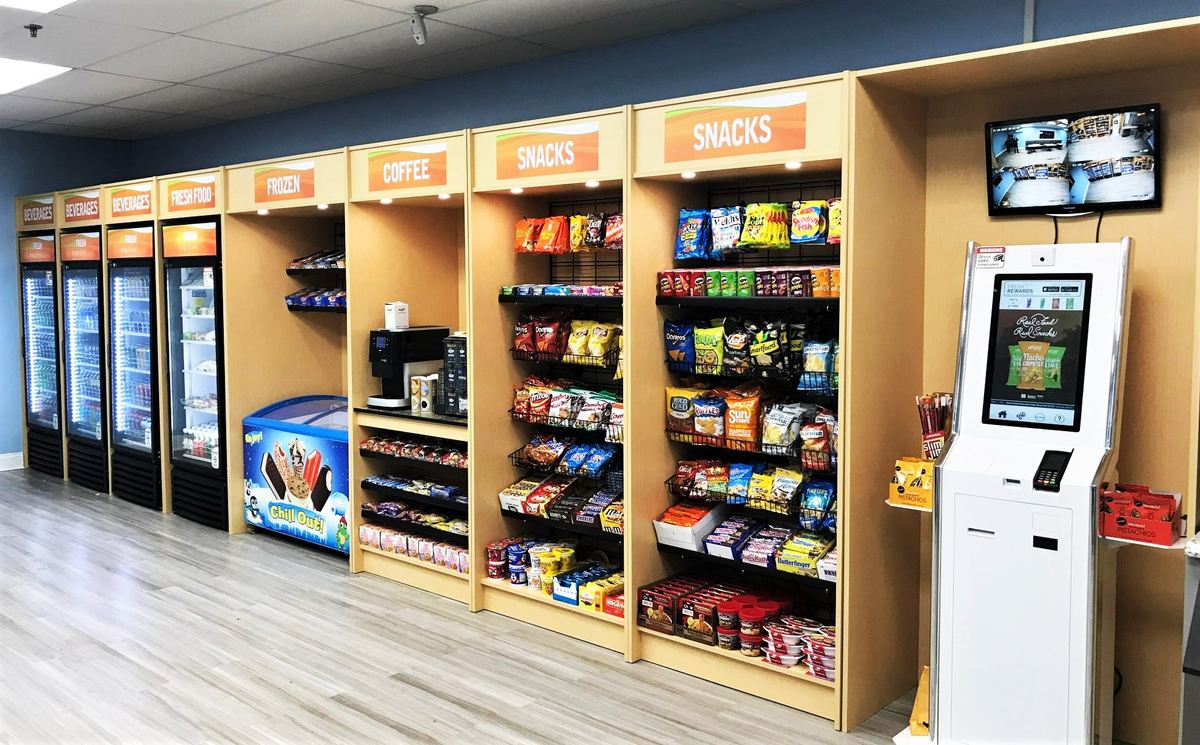
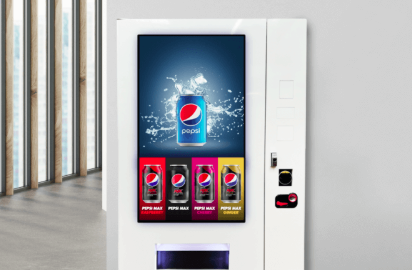
This guide settles when a site needs a single vending machine and when it needs a micro-market: a vending machine is one cabinet with a fixed mix; a micro-market is a self-serve retail corner — smart fridges, ambient cabinets, and often hot food or drinks — sized to footfall with stock and service managed end to end. Choose vending when one machine covers the need; choose a micro-market when people expect a proper grab-and-go offer, especially outside canteen hours. RSL designs around the site, not a one-size drop, and keeps the corner stocked without extra headcount on your payroll.
What a vending machine actually does
Vending still earns its place. One machine in a corridor, plant room, or small breakout can sell snacks, cold drinks, or hot drinks with cashless pay and remote stock visibility. It is compact, familiar, and quick to install.
Where vending shows its limits is range and experience. Shelves are narrow. Hot meals are rare. The look is “machine,” not “shop.” For sites that want staff and visitors to treat refreshment as part of the workplace, that gap matters.
What a micro-market is
A micro-market is a self-serve retail corner on your site. Typical building blocks include glass-front smart fridges for chilled food and drink, ambient cabinets for snacks and grocery-style lines, space for hot meals or beverage support where the site needs it, and cashless checkout without a till staffed by your team.
RSL designs the layout for footfall and environment — from one smart fridge to a full corner — and runs stock and service so the offer stays live around the clock.
When each fits
- Small footprint / single point — vending is a strong fit; a full micro-market is usually overkill unless you plan to grow.
- Wide fresh and ambient range — micro-markets are built for it; vending is limited.
- 24/7 without extra site staff — both can help; micro-markets are stronger for nights and healthcare.
- Looks like the workplace, not a cupboard — micro-markets are designed as a retail corner.
- Hot food in trust / ward environments — rare in classic vending; already part of RSL’s NHS / healthcare track record.
Built for the site, not a one-size drop
Every site has different shift patterns, visitor traffic, and space. A micro-market plan starts with how people move through the building, what they buy at 2am versus lunchtime, and what the environment allows. That is the difference between dropping a cabinet and designing a corner that people actually use.
24/7 without putting more staff on the floor
Manufacturing nights, warehouses, and healthcare areas do not stop when the canteen closes. A micro-market keeps hot meals and drinks available with remote stocking and service, so the floor keeps moving and wards and visitor areas stay supported without rostering extra site staff for a till.
NHS and healthcare experience
RSL already supports trust environments with hot food and ward beverage setups. That matters when compliance, hygiene, and continuous demand sit alongside the commercial offer. A micro-market in healthcare is not a novelty aisle — it is a practical way to keep people fed when kitchens are shut.
How to decide in one pass
- Map peak demand outside canteen hours.
- List the range people ask for (fresh, hot, ambient).
- Check the footprint you can give the corner.
- Decide whether you need a single machine or a designed retail space.
If the answer is a designed space with managed stock, you are in micro-market territory.
Next step
Get a site quote (opens in a new tab) and we will size the corner to your footfall — from one smart fridge to a full micro-market.
Found this useful? Send it on.
Share this post