Buying guides
24/7 workplace micro-markets: when nights and shifts need more than a vending machine
Night shifts do not pause when the canteen closes. Here is when a designed micro-market corner beats another vending cabinet for manufacturing and 24/7 workplaces.
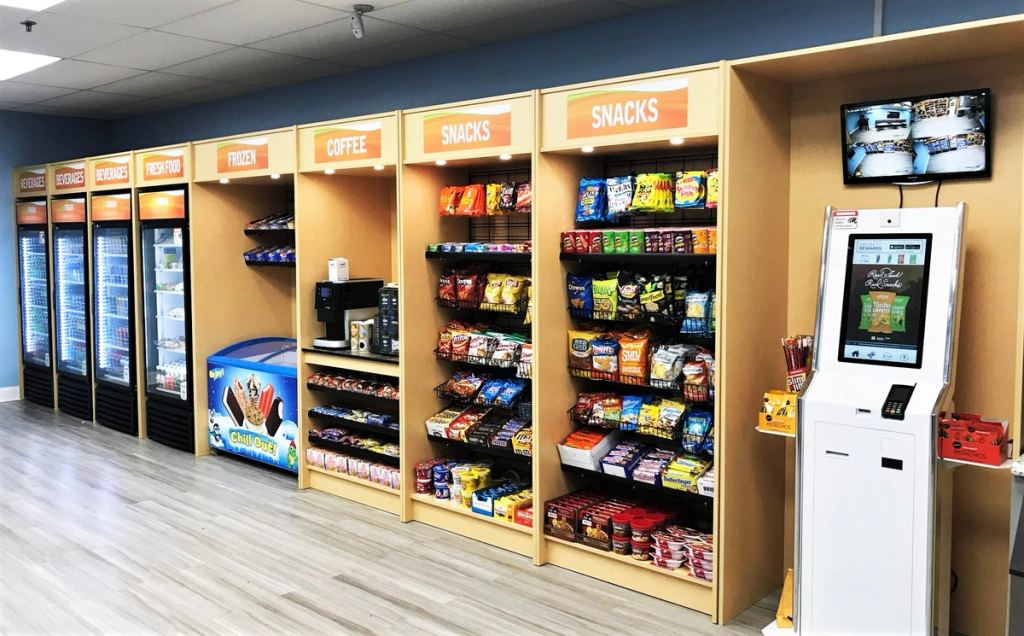
Night shifts and early starts do not pause because the canteen closed at five. A single vending machine can cover a snack or a drink; a micro-market keeps a proper grab-and-go corner live around the clock — chilled food, ambient lines, and often hot meals or drinks — stocked and serviced without putting extra people on your payroll. This guide is for manufacturing, warehousing, and other 24/7 workplaces deciding when that designed corner is the better fit than one more cabinet in the corridor.
Why out-of-hours breaks the usual offer
Canteens and kitchens run on day patterns. Night crews, weekend cover, and early starts still need food and drink that feels like a meal, not a compromise from a half-empty spiral. When the only option after hours is one machine with a narrow mix, people leave site, skip eating, or bring everything from home — and the break area stops doing its job.
Sites that run continuous production feel this first. Footfall does not stop at closing time. The refreshment offer has to match that.
What a 24/7 micro-market actually covers
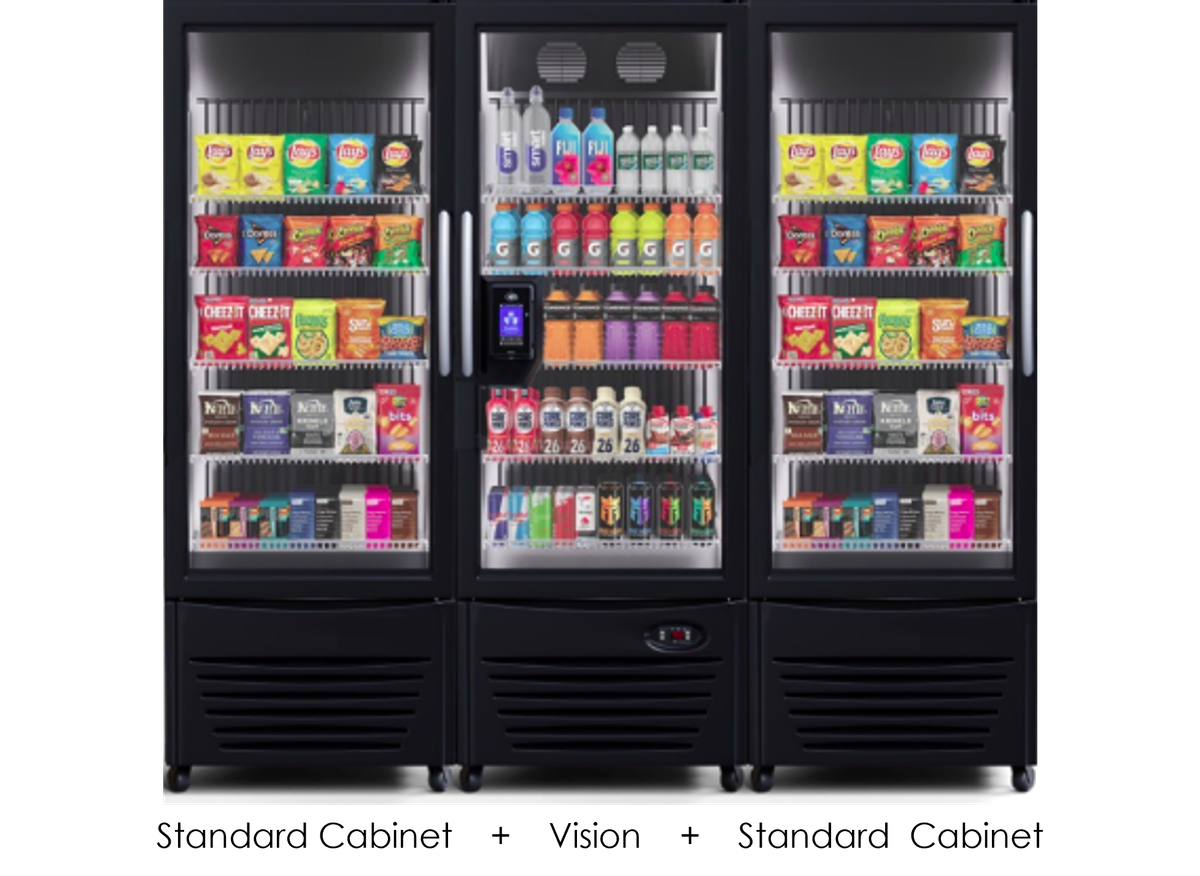
A workplace micro-market is a self-serve retail corner on your floor or in your amenity space. Typical pieces include glass-front smart fridges for chilled meals and drinks, ambient cabinets for snacks and grocery-style lines, hot food or beverage support where the site needs it, and cashless checkout without till staff from your team.
RSL designs the layout for footfall and environment — from one smart fridge to a fuller corner — and manages stock and service so the offer stays live through nights and shift changes.
Vending vs a designed corner on nights
- Late snacks and drinks only — one vending machine is often enough; a full corner is more than you need.
- Hot meals at 2am — rare in classic vending; stronger fit in a micro-market stocked for it.
- Range that lasts a full shift cycle — limited shelves on one machine; a corner is built for a wider mix.
- Looks like the workplace, not a cupboard — harder with a single cabinet; designed as a retail corner in a micro-market.
- Stock without extra site headcount — possible on one machine; end-to-end service is the point of a managed micro-market.
Choose another machine when one cabinet covers the need. Choose a micro-market when night and shift workers need a proper grab-and-go offer that does not depend on kitchen hours.
Manufacturing and warehousing cues
- Multiple shift patterns on one site
- Break areas that empty after day staff leave
- Complaints about nothing decent after six
- Desire to keep people on site rather than out for food
- Space for a corner that can grow from one fridge to a fuller set-up
If those show up together, a designed micro-market usually beats stacking more single-purpose machines.
What RSL handles so the floor keeps moving
Setup is matched to the site, not a one-size drop. Stock and service stay with RSL so your teams are not restocking fridges between production runs. That matters most when the corner has to work at 2am as well as at lunch.
Next step
Get a site quote (opens in a new tab) and we will size the corner to footfall and keep it stocked end to end.
Found this useful? Send it on.
Share this post